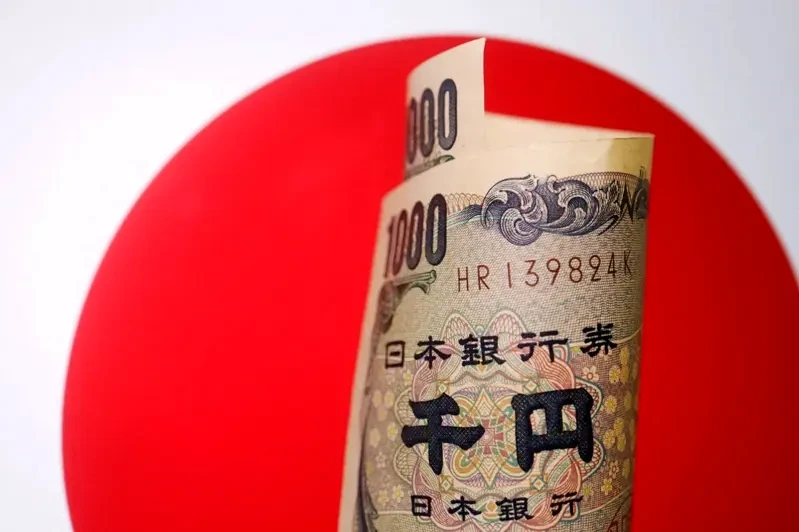
Strategists noted that although the Bank of Japan (BOJ) announced a 25-basis-point rate hike to 1.25%, a split vote among policymakers sent a signal unfavorable to the yen, causing the currency to depreciate by as much as 0.5% at one point.
Here are the views of strategists:
Hirofumi Suzuki, Chief FX Strategist at Sumitomo Mitsui Banking Corporation, said: “While some had anticipated dissent regarding the rate hike decision, the fact that there were two opposing votes sparked market speculation that further tightening might prove more difficult than previously thought, triggering a sell-off in the yen. I do not consider the statement itself to be dovish; this is merely the market’s initial reaction. Investors are now awaiting the press conference by BOJ Governor Kazuo Ueda.”
Homin Lee, Senior Macro Strategist at Lombard Odier Singapore, noted: “It was widely anticipated that Asada and Sato—appointed during Sanae Takaichi’s tenure—would oppose rate hikes… Against this backdrop, their dissenting votes come as little surprise; these two board members are likely to maintain their dovish opposition throughout the remainder of this rate-hiking cycle. We do not expect this to have a significant impact on the market.”
He added: “Regarding the yen, we anticipate that three forces—the Bank of Japan’s steady shift toward a hawkish stance, warnings of intervention from the Ministry of Finance, and potential portfolio adjustments by pension funds—will keep the USD/JPY exchange rate within the 155–160 range. Given the current environment of elevated global energy prices and the Federal Reserve’s modest rate-hiking cycle, the Bank of Japan would need to take more aggressive action for the yen to appreciate significantly; however, we question whether the central bank has any such intention. Our baseline forecast is that the USD/JPY pair will remain range-bound over the coming months.”